
Margaret Parsons, AAg, Agri-Environmental Specialist, Humboldt
April 2026
Riparian areas are the ‘green zone’ of our landscape – the transition zone between waterbodies or courses and the surrounding uplands. Riparian areas have unique vegetation and soils. They provide unique ecosystem goods and services that are the environmental benefits people receive from the functions of a properly managed healthy ecosystem. Benefits include climate regulation, water treatment and supply, pollination, nutrient cycling, air quality, carbon sequestration and disturbance regulation. Healthy riparian areas play an important role when it comes to plant and animal biodiversity, maintaining and improving water quality and quantity and resilience to changing weather patterns.
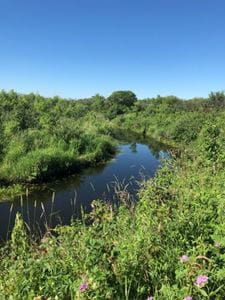
Well-managed grazing in riparian areas allows for the sustainable use of upland forages, while minimizing the impact of livestock on riparian vegetation, water quality and quantity. These areas are resilient as they evolved with the impact of large grazers and browsers, such as bison. However, riparian areas can be more sensitive to grazing disturbance than surrounding upland areas. They would go through periods of natural use by wildlife followed by rest. When riparian areas are fenced for livestock grazing, there is a greater risk of imposing too intense or long-term grazing pressure. When this happens, riparian health and functions are at risk of decline as there isn’t adequate rest to allow riparian plants to regrow and store energy (carbohydrates) to grow back the next year.
It is important to tailor your grazing strategies to be specific to riparian zones and monitor closely for problems impacting their normal function.
Riparian areas should be rested during sensitive times of year. Avoid livestock access during dormant periods to protect woody vegetation. During late summer or autumn when grasses have cured and woody plants are still green and palatable, they can be prone to overuse by livestock. Shrubs such as willows and dogwood are signs of healthy, stable riparian banks that will maintain good water quality by preventing bank erosion and filtering sediments from runoff.
The timing of spring grazing in riparian areas depends on moisture. When streambanks or shorelines are saturated with water, they are more vulnerable to compaction by livestock. Waiting until the water has receded will help prevent erosion.
For effective rest periods, it’s not only the length of time that matters, but also the time of year. Rest must occur during the growing season, not before or after, so conditions are favourable for plants to rebuild their roots and energy stores to initiate growth the next spring. Overall, maintaining good grazing practices for riparian zones means the ecosystem services they provide will continue to be sustained year after year.
For more information on riparian area management or programs to manage livestock access to riparian areas, call the Agriculture Knowledge Centre at 1‑866‑457‑2377.