
Rebecca Hort, AAg, Crops Extension Specialist, Humboldt
March 2026
Are you using bin-run seed or buying new seed this year? Either way, it is important to understand the guidelines for seed-borne diseases before you put the seed in the ground. It is recommended to have seed tested at an accredited lab to assess levels of seed-borne pathogens. A seed test can show several aspects of seed quality, such as germination, vigor, moisture, protein and thousand-kernel weight. Disease testing indicates the infection levels of specific pathogens on the seed. Knowing your seed quality is crucial for developing a healthy crop.
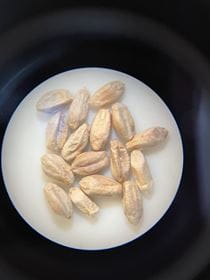
Crop diseases can have detrimental effects on yield; however, there are ways to lower your crops' susceptibility and protect plant health. For seed-borne diseases, prevention starts before the seed is in the ground. Many different pathogens can infect seeds and impact crops. Each disease has a threshold that varies by pathogen and crop type. Planting seeds below or within those thresholds is the best practice to mitigate disease pressure. Applying a seed treatment can help protect your seed from certain pathogens; however, if the pathogen level is above the threshold, it is recommended to use a different seed source. Detailed information on mitigating seed-borne diseases and preventing further infection is available for both pulse and cereal crops. Interim data submitted by seed labs around the province show the average per cent infection of seed-borne diseases in both cereals and pulse crops.
If you are in an area with a high infection risk of seed-borne diseases, taking preventative actions to protect your crop is important. Seed cleaning, treating seed with fungicide seed treatment and getting your seed tested are key strategies for dealing with contaminated seeds. Cleaning seeds can help remove some diseased kernels from the lot. Treating with a fungicide seed treatment can prevent further infection of the pathogens into the plant and protect against seedling blight and rot. As always, follow the label, more information can be found in the Guide to Crop Protection.
When buying certified seeds, the buyer must be aware that, according to the Seeds Act, certified seed must meet standards for germination and purity, but not for diseases. Ask to see the lab certificate and check disease levels before purchasing seed. Planting seed that is free of seed-borne pathogens is the primary way to limit disease in your field.
Ensure your seed is the best it can be for this year’s crop. Contact your local crops extension specialist or call the Agriculture Knowledge Centre at 1-866-457-2377 to learn more.