
Rebecca Hort, AAg, Crops Extension Specialist, Humboldt
June 2026
The growing season is upon us in Saskatchewan and with that comes the use of pesticides to reduce pest damage to our crops. There are many best management practices (BMPs) to keep in mind when applying pesticides on the farm.
Only Use Registered Pesticides
The 2026 Guide to Crop Protection is a great resource for information on registered herbicides, fungicides and insecticides for controlling crop pests. As this publication is only a guide, always refer to the product label for detailed information on application and precautions.
Read and Follow the Label
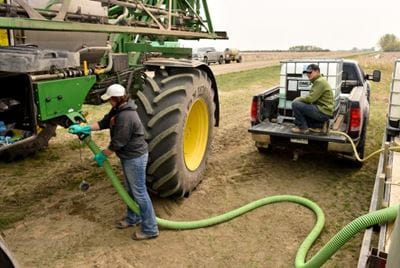
Before applying pesticides, it is crucial to read the label as every product on the market is different. Labels contain detailed information and instructions for how to correctly mix, apply, store and dispose of the pesticide. Safety information is also included such as any necessary personal protective equipment and first aid instructions in case of accidental exposure.
Avoid Spray Drift
When applying pesticides, it is important to understand the specifics of the product and to avoid applying in less-than-optimal weather conditions. Wind, temperature and humidity can all affect the coverage you are getting when applying pesticide products. Travel speed and boom height are also important aspects that can impact how well the product is being applied and if it is at risk of drifting. Spraying in windy conditions may result in unintended damage to neighbouring crops.
Rotating Herbicide Groups
Herbicide resistance often develops due to repetitive and exclusive use of herbicides from the same mode of action group. One of the ways to prevent herbicide resistant weeds from encroaching on your farm is to rotate herbicides with different modes of action. This strategy reduces selection pressure on weeds, preventing resistance buildup.
Record Keeping
It is important to keep records of all pesticide applications, as some may limit the planting options for your field the following year. Some herbicides break down quickly or are bound tightly to soil, preventing them from causing problems for subsequently seeded crops. However, others referred to as ‘residual herbicides’ have rotational crop restrictions outlined on product labels. These need more time and in-season rainfall to break down in the soil. Thus, good records combined with reading and understanding the pesticide label will help producers address these restrictions when planning their crops the following season. One option to help you keep good field records is our sprayer logbook.
Be Aware and Understand Market Risks
Market risks can occur when using specific crop protection products on certain crops. It is crucial to understand the restrictions and make sure your grain does not have product residues above the Maximum Residue Limits. Check out the Keep it Clean Product Advisory webpage and watch their 2026 Product Advisory Webinar for information on market risks of specific product and crop combinations for the 2026 crop season.
For more information on best management practices of pesticides, contact your local crops extension specialist or the Agriculture Knowledge Centre at 1-866-457-2377.