
Chad Glascock, Senior Communications Consultant, Communications and Client Service, Water Security Agency
When planning started for the Westside Irrigation Rehabilitation Project (WIRP) near Lake Diefenbaker in 2023, it was projected to be a sound investment opportunity for the entire province. It was also expected to be a model for future, cooperative irrigation expansion that would support provincial growth.
The potential for this project has been confirmed. The final economic analysis for the project, recently released by the Water Security Agency (WSA), surpasses initial expectations. The independent analysis, conducted by KPMG, shows a $12.9 billion Gross Domestic Product (GDP) impact while creating 80,000 jobs over the next 50 years.
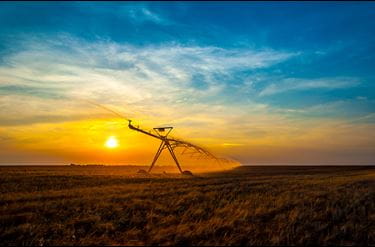
“From the outset, we expected this project to deliver significant advantages for the province, benefiting all Saskatchewan residents,” said Honourable David Marit, Minister of Agriculture. “We are excited that those benefits are now validated.”
Over the past year, Prairie Engineering Partners—a team made up of Stantec and MPE Engineering—has been working hard to improve the design of the project. Their efforts have helped create clear and accurate cost estimates, moving the project closer to reality.
Thanks to these efforts, the project team unlocked an additional 10,000 acres of irrigable land – increasing the project from 90,000 to 100,000 acres – expanding the project’s reach and amplifying its impact.
“This isn’t just growth—it’s an opportunity to transform agriculture and strengthen our economy for decades to come,” added Marit. “This project is breathing new life into decades-old infrastructure and planting the seeds for agricultural growth for the future.”
Turning Investment into Value
Investments in infrastructure like WIRP are more than construction—they are nation-building initiatives that unlock long-term economic potential. Similar to transportation networks, modern irrigation systems move water to where it is most needed, stabilizing crop yields, reducing production risks and enabling diversification into higher-value crops. These improvements strengthen food security, appeal to private-sector investment and create opportunities for value-added processing.
The WIRP’s projected $12.9 billion GDP boost will do more than create new jobs; it will enhance the lives of all Saskatchewan residents through improved public services, higher wages and increased investment. These benefits, among others, lay the foundation for long-term prosperity that extends beyond those directly involved in irrigation efforts. WIRP exemplifies how strategic investments can truly transform a region and have ripple effects across a province.
Building the Future Together
While the province has played a key role in driving the development and planning of WIRP, its ultimate success will be driven by industry leaders like Irrigation Saskatchewan. David Bagshaw, Chair of Irrigation Saskatchewan, emphasized the significance of WIRP, calling it a transformative opportunity for the province.
“Our members are deeply committed to Saskatchewan’s future and to ensuring that every resident benefits from irrigation,” he said.
The Saskatchewan Association of Rural Municipalities (SARM) has also emerged as a steadfast advocate for WIRP, underscoring its importance during recent lobbying efforts in Ottawa.
“The initiative represents a transformative opportunity for rural communities and promises widespread benefits for residents across Saskatchewan and Canada,” SARM President Bill Huber said. “By championing this project at the federal level, we aim to ensure it receives the attention and support necessary to deliver on its potential for economic growth and agricultural resilience.
Completing a Vision 50 Years in the Making
Although the project has laid idle for decades, the opportunity and potential for irrigation development that was started over 50 years ago with the construction of Lake Diefenbaker as a reservoir will now become reality.
By investing in irrigation today, Saskatchewan is cultivating opportunities that will sustain generations to come.