
Christina James AAg, Livestock and Feed Extension Intern, North Battleford
May 2026
When developing a new dugout or well, it is easy to focus on getting enough water but quality is just as important. Before developing a new water source, producers should estimate both current and future water needs including factors such as herd size, seasonal demand and storage capacity. It’s also important to sample water quality from a test hole prior to establishment of the source.
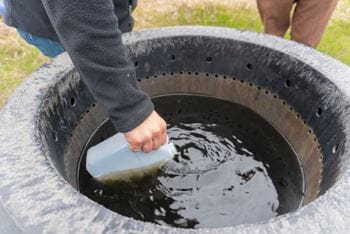
to livestock producers in Saskatchewan.
Ground water will naturally pick up minerals as it moves through soil and rock, meaning the water quality of a well or dugout will reflect local geology. Dugouts are specifically influenced by runoff, algae growth and weather conditions, whereas wells can be affected by flooding or changes in the surrounding environment.
Water quality in dugouts and wells can change over time, therefore it’s important to routinely test all water sources used by livestock. Changes in colour, taste, odour or turbidity of the water are indications of a change in water chemistry or bacteriological presence. Poor water quality can impact livestock performance, reduce intake and in some scenarios, pose serious health risks. Taking the time to test water early and regularly can help avoid problems down the road.
Water quality generally assesses the following:
- Physical characteristics – colour, pH, sediment
- Chemical characteristics – iron, arsenic, sodium, calcium, magnesium, sulphate etc.
- Biological characteristics – bacteria, parasites and viruses
- Radiological characteristics – uranium and radon
Routine testing is recommended to ensure water stays safe and consumable. Rural agricultural wells should be tested twice a year – typically in the spring and fall – as well as after major weather events or changes to the well system. Dugouts should also be monitored regularly, especially during periods of heavy use or poor water conditions.
Proper sampling, accurate testing and correct interpretation of the results are all key to making informed decisions. Identifying issues early allows producers to take action and maintain a reliable water supply.
The Ministry of Agriculture is working to make water testing more accessible to livestock producers. You can submit one liter water samples, at no cost, at several locations in the province during the upcoming summer months (June to August). After testing, a regional livestock and feed extension specialist will follow up with water test results and interpretation.
For additional information on drop-locations, please check our events calendar. You can also submit water samples anytime at any regional office.
To learn more, contact the Agriculture Knowledge Centre at 1‑866‑457‑2377 or your local livestock and feed extension specialist.