
Adriane Good, MSc., PAg, Livestock and Feed Extension Specialist, Moose Jaw
April 2026
As more livestock species start to gain popularity, many producers are considering incorporating new species into their operations. This can provide benefits such as increased weed control, diversified income streams and improved parasite control. However, there are some considerations to keep in mind when making plans to incorporate multiple species of livestock onto your farm.
Water Quality
While most ruminants have similar water quality requirements, horses, poultry and pigs have different requirements because of their different digestive systems. For example, cattle can tolerate higher sulfate levels, up to 2,000 mg/L with a good mineral source, while poultry handle up to 500 mg/L. Horses and pigs can handle water nitrate levels up to 400 mg/L, while ruminants tolerate up to 100 mg/L. If all your livestock share the same water source, test it and inform your livestock and feed extension specialist of all the species using it to ensure accurate recommendations.
Species Specific Feed Requirements
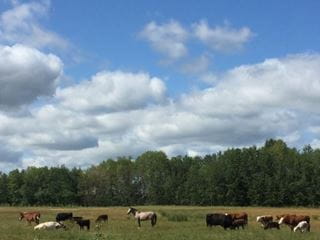
In general, every species requires protein, energy, fibre, vitamins and minerals to be productive, but they require these things in different quantities. Sheep have a much lower threshold for copper toxicity than other ruminants, so it is essential they are on mineral made for sheep. However, sheep mineral won’t have enough copper in it for other ruminant species, so you may have to use alternative supplementation strategies if running the species together. Other feed ingredients to watch include medications such as ionophores, which may only legally be fed to label-approved species and can be toxic to others, especially horses and dogs. Like most things, there is species-specific variability to the toxic dose, so it’s important to only feed medicated feed to the animals it is approved for.
Disease Transfer
It is important to be aware of the risk of disease that can occur with mixing different species. For instance, bison are highly susceptible to malignant catarrhal fever (MCF), which can sometimes be carried by sheep. For this reason, it is important that bison and sheep be kept at least five kilometres away from each other. Highly Pathogenic Avian Influenza has been found in dairy cattle with little negative effect to the cows, but it can kill poultry quite quickly. Being aware of and minimizing potential disease transmission will help protect all your livestock.
Fencing Requirements
Regardless of species, there will always be some animals who respect fences more than others. However, there are also some species differences. If using electric fence with sheep in full fleece, you will likely have to have a higher voltage than is needed for cattle. Goats are notorious for climbing things, so ensure you have thought through possible escape routes to keep goats in.
Grazing Behaviour
Each livestock species will graze differently, depending on the forage preference of the species. Bison, cattle and horses tend to prefer a high percentage of grass in a stand, while goats and sheep prefer more forbs and brush. Bison and cattle use their tongues to rip up grass, while sheep, goats and horses are nibblers and will graze closer to the ground. Ensuring that your pastures meet the needs of all your species will help them to meet their nutritional needs while grazing.
Incorporating multiple species of livestock on your farm can be a successful way to diversify your operation with the right management considerations. For more information about incorporating a new species on to your farm, contact your local livestock and feed extension specialist by calling the Agriculture Knowledge Centre at 1‑866‑457‑2377.