
Released on May 8, 2026
Spring has sprung, and as the temperature rises across Saskatchewan, black bears are emerging from their dens near communities throughout the province. The Government of Saskatchewan is reminding residents and visitors to take simple precautions and remain "Bear Aware" to help prevent conflicts with wildlife.
Black bears are found widely across Saskatchewan. While commonly associated with northern forested areas, they are also found in central and southern regions; including the aspen parkland, Touchwood Hills, Qu'Appelle Valley and the South Saskatchewan River Valley.
During the spring, bears spend much of their time foraging to replenish body fat lost over the winter, making them more likely to seek out easy food sources near homes and campsites. Black bears are intelligent and ruled by their stomachs. Limiting attractants is the most effective way to reduce these interactions.
In Saskatchewan, it is illegal to feed bears and other large predators, such as wolves, cougars and coyotes. This protects public safety and prevents wildlife from becoming habituated to human environments.
- Secure garbage in a building or use bear-resistant containers, and place waste out only on collection day. Keep bins clean and odour-free.
- Store pet food indoors and remove bird feeders outside of winter months.
- Avoid placing meat, fish, fats, oils or other strong-smelling food waste in backyard compost.
- Clean barbecues thoroughly after use and store them in a secure area.
- Keep food out of tents and store it in sealed containers inside a vehicle when camping.
- Dispose of all waste in designated containers and never burn or bury food scraps.
- Use designated locations for cleaning fish and properly discard remains.
- Keep pets leashed when walking or hiking in bear habitat.
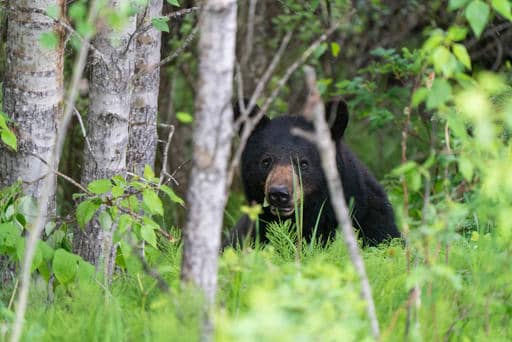
Being proactive by reducing attractants helps keep bears wild and minimizes the likelihood of dangerous encounters. If a bear or other wildlife presents an immediate threat to public safety, call 911. Aggressive wildlife encounters can be reported to the Turn in Poachers and Polluters (TIPP) line at 1-800-667-7561. For nuisance wildlife concerns, contact the Ministry of Environment by email at centre.inquiry@gov.sk.ca.
For more information on bear safety and how to prevent conflicts visit: Bears in Saskatchewan | Living with Wildlife | Government of Saskatchewan
-30-
For more information, contact:
Media Relations
Environment
Phone: 306-953-2459
Email: envmedia@gov.sk.ca
For public inquiries:
Environment Inquiry Line
Regina
Email: centre.inquiry@gov.sk.ca