
By Tessa Thomas, AAg, Livestock and Feed Extension Specialist, Tisdale
January 2026
According to the Government of Canada, there were approximately 149,539 bison in Canada in 2024, with 82 per cent of the herd found in Saskatchewan and Alberta. Being such a large contributor to the national bison industry, it is important for Saskatchewan to maintain a strong herd now and to set ourselves up for success in the years to come. According to Mike Silzer, a bison producer and grain farmer in the northeast part of the province, these three things should be top of mind for you in 2026:
Genetic improvement in the industry
While the industry is currently strong and prices are holding high, Mike knows that history shows this likely won’t always be the case. Strong genetics will increase the chances of turning a profit in the tough years, so getting set up with good stock now is imperative to being in the bison industry for the long run. Easy keeping cows and strong finishing calves with high carcass yields should be the main focus.
A good mineral and herd health program
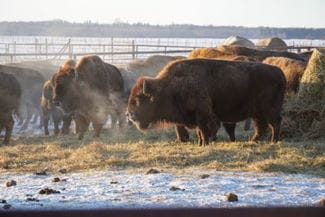
The importance of a good mineral program cannot be overstated. Mike emphasized the importance of not only having a good mineral program, but also that proper intake of that mineral is essential to the success of the herd. He was able to work with a local feed and mineral company that collected water samples and designed a mineral plan specific to his ration, water and herd needs.
“Knowing what you are missing in your feeding program is key. A 10 per cent increase in conception rates can add 20 per cent to your bottom line,” Mike said on the importance of feed testing.
It is important to keep a good eye on the herd and investigate if the bison are appearing unthrifty or unhealthy in any way. As we know, bison are not always as convenient to handle, so keeping on top of your deworming program and checking stool samples with fecal egg counts, if concerned, is an effective way to stay on top of parasites.
Keeping an eye on stocking rates in the pastures
With the fluctuations in moisture from year to year, especially the last few years being dry in many areas of the province, keeping a close eye on stocking rates is another priority. Mike mentioned that as he expands his herd, a major concern is grass availability.
“It is better to have too much grass than not enough because you can always bale it or find another way to use it,” he said.
He also discussed the importance of doing your part to make sure the land can be as productive as possible: “Having a good fertilizer program and using rotational grazing can increase stocking rates and maximize revenue per acre.”
Mike concluded that overall, the goal is to control as many variables as possible and learn from producers that have been successful in the industry. Learning from others, whether that be successes or failures, helps all producers, especially those that are new to the industry. For more information about bison production, you can visit our Bison page, contact your local livestock and feed extension specialist, or call the Agriculture Knowledge Centre at 1‑866‑457‑2377.