Lieutenant Governor's Post-Secondary Teaching Award
Established in 2023, this award recognizes post-secondary educators who have displayed excellence in teaching and learning through a commitment to high-quality student learning experiences and a demonstrated record of innovation, leadership, and commitment to student learning and success.
1. Award Description
The Lieutenant Governor’s Post-Secondary Teaching Award recognizes post-secondary educators in Saskatchewan who have demonstrated excellence in teaching and learning within the post-secondary sector. This award is open to all educators from public post-secondary institutions in the province.
The prestige associated with this annual award will assist recipients in further pursuing national teaching awards. Recipients will be honoured and presented with their award (non-monetary) at a celebration event in the fall.
Recipients are recognized under the following categories:
Distinguished Teaching Award
This award recognizes a distinguished individual who shows commitment to teaching and student success, with excellence in teaching practices that support adult learners and fosters critical thinking, problem solving, and practical skill development. Nominees have a record of outstanding teaching effectiveness, innovative course design or program development, and applied learning experiences that support student learning and growth.
Equity, Diversity, and Inclusion Teaching Award
This award recognizes an individual who promotes and advances the principles of equity, diversity, inclusion, and accessibility in teaching and learning. An individual nominated for this award is characterized by a proven commitment to inclusive, respectful, and culturally responsive practices that support all learners, foster engagement and create equitable opportunities for success in all learning environments.
Indigenous Teaching Excellence Award
This award recognizes a First Nations, Métis or Inuit educator who has made a significant impact by integrating First Nations, Métis and Inuit content, perspectives and ways of knowing into teaching and learning. An individual nominated for this award is recognized by students, staff, and community members as an exemplary Indigenous educator who demonstrates exceptional commitment to lifelong learning, engagement and teaching, fosters pathways to student success, acknowledges the importance of honouring Indigenous language and traditions, and leads changes in teaching and learning through exemplary leadership.
Note: Post-secondary institutions are responsible for verifying Indigenous citizenship through their internal processes.
Innovative Teaching Award
This award recognizes excellence in innovative practices, including but not limited to technology and innovative approaches that support equity, diversity, inclusion and accessibility. Approaches may also include innovative practices for the Indigenization of curriculum and instruction, including a focus on trades and career pathways, innovative assessment methods, as well as innovative approaches to student engagement and learning.
2. Nomination Process
Who is eligible?
- Those nominated must be active teaching members of their post-secondary institution’s faculty, with a standard teaching load for their discipline, level or term of appointment as determined by their nominating institution.
- Chairs and department heads who continue to teach a minimum of half a standard teaching load are eligible for nomination.
- A nominee for each award may be selected according to a procedure established by the post-secondary institution and need not have received an institutional award.
- No current member of the Lieutenant Governor’s Post-Secondary Teaching Award Adjudication Committee may be nominated.
- An individual may be nominated for only one award each year. Award recipients may be nominated for a different award category in subsequent years and are no longer eligible for the award category they won.
- Adult Basic Education instructors are not eligible for the Lieutenant Governor’s Post-Secondary Teaching Award.
Who can nominate?
Faculty and staff members may nominate eligible post-secondary educators either within their own institution or another. Cross-nominations between institutions are also encouraged. Nominations must be endorsed by the institution's President, Vice-President, Provost or designate.
Submitting a nomination
Nominations are open to all publicly funded post-secondary institutions starting April 1 up to the deadline of June 30. Completed nomination forms must be emailed to lgprovincialteachingaward@gov.sk.ca.
For more information regarding the award, nomination process, or specific guidance in preparing the nomination, please send a message to the email address noted above.
3. Adjudication Committee
The adjudication committee is made up of representatives from multiple post-secondary institutions across Saskatchewan.
4. Award Recipients
2025 Lieutenant Governor Post-Secondary Teaching Award Recipients
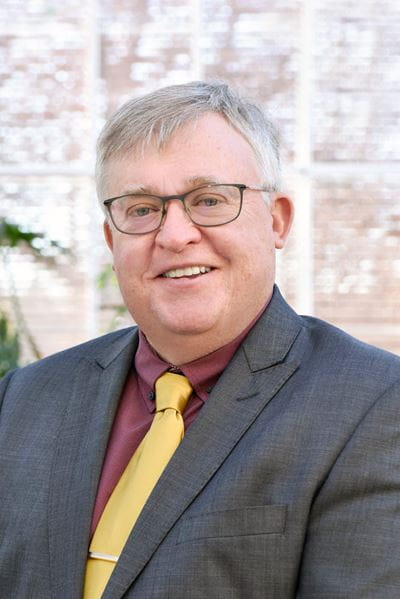
Dr. Neil Chilton |
Distinguished Teaching Award Dr. Neil Chilton is a Professor and Head of the Department of Biology at the University of Saskatchewan. His commitment to inclusive and responsive teaching is exemplified through the co-creation of BIOL 90, a preparatory course designed for Indigenous students in the Indigenous Student Achievement Pathways (ISAP) program. Grounded in Universal Design for Learning and a peer-led, case-based approach, the course supports learners who may not have had access to high school biology, fostering foundational biological literacy and academic confidence. Dr. Chilton’s teaching practice reflects a deep dedication to equity, reconciliation and student success. His leadership in curriculum design and experiential learning has transformed the educational experience for countless students. |
|
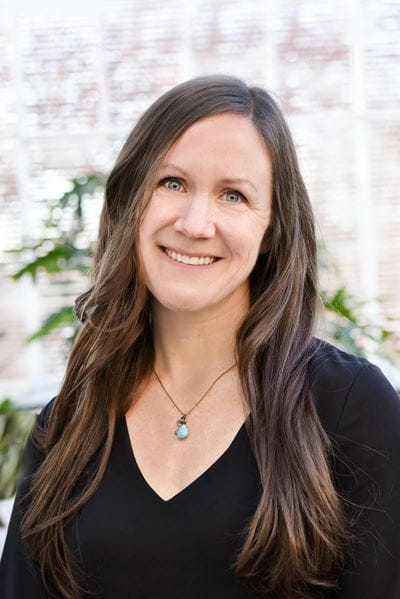
Dr. Carly Priebe |
Equity, Diversity and Inclusion Teaching Award Dr. Carly Priebe is a Lecturer in the College of Kinesiology at the University of Saskatchewan. Her courses are grounded in Universal Design for Learning, offering multiple ways for students to engage with content, demonstrate understanding, and participate meaningfully. Through scaffolded assignments, flexible assessments and diverse learning formats, Dr. Priebe creates accessible environments that support student confidence and reduce barriers to success. Dr. Priebe’s teaching frequently explores topics such as ableism, intersectionality and systemic barriers, and includes guest speakers with lived experience. Her fourth-year elective, KIN 423: Adapted Physical Activity, connects theory with community-based experiential learning, including accessibility audits and volunteer placements. |
|
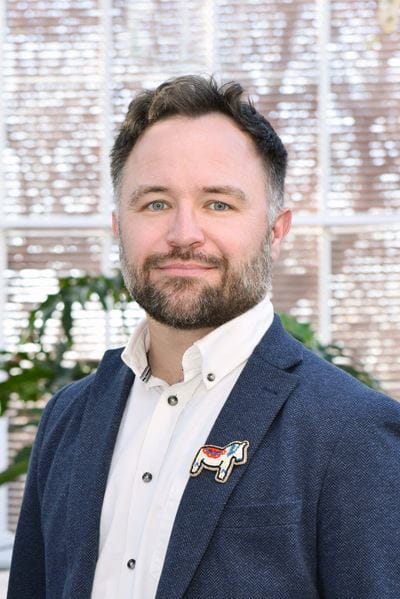
Dr. Kurtis Boyer |
Indigenous Teaching Excellence Award Dr. Kurtis Boyer is a Métis educator and faculty member at the Johnson Shoyama Graduate (JSGS) School of Public Policy at the University of Saskatchewan. He developed and teaches two graduate-level courses – Indigenous Nation Building in Canada, and Métis Governance: Historical Legacy and Contemporary Transformation – which engage students in real-world policy collaboration with Métis Nation–Saskatchewan. His annual land-based learning experience at Batoche connects students with Elders and Knowledge Keepers, deepening their understanding of Indigenous governance and history. Kurtis also leads systemic change through curriculum development and institutional leadership. He founded the JSGS Indigenous Curriculum Committee and co-developed a new core course, Towards the Humble Civil Servant, which introduces students to Indigenous law-making and governance. |
|
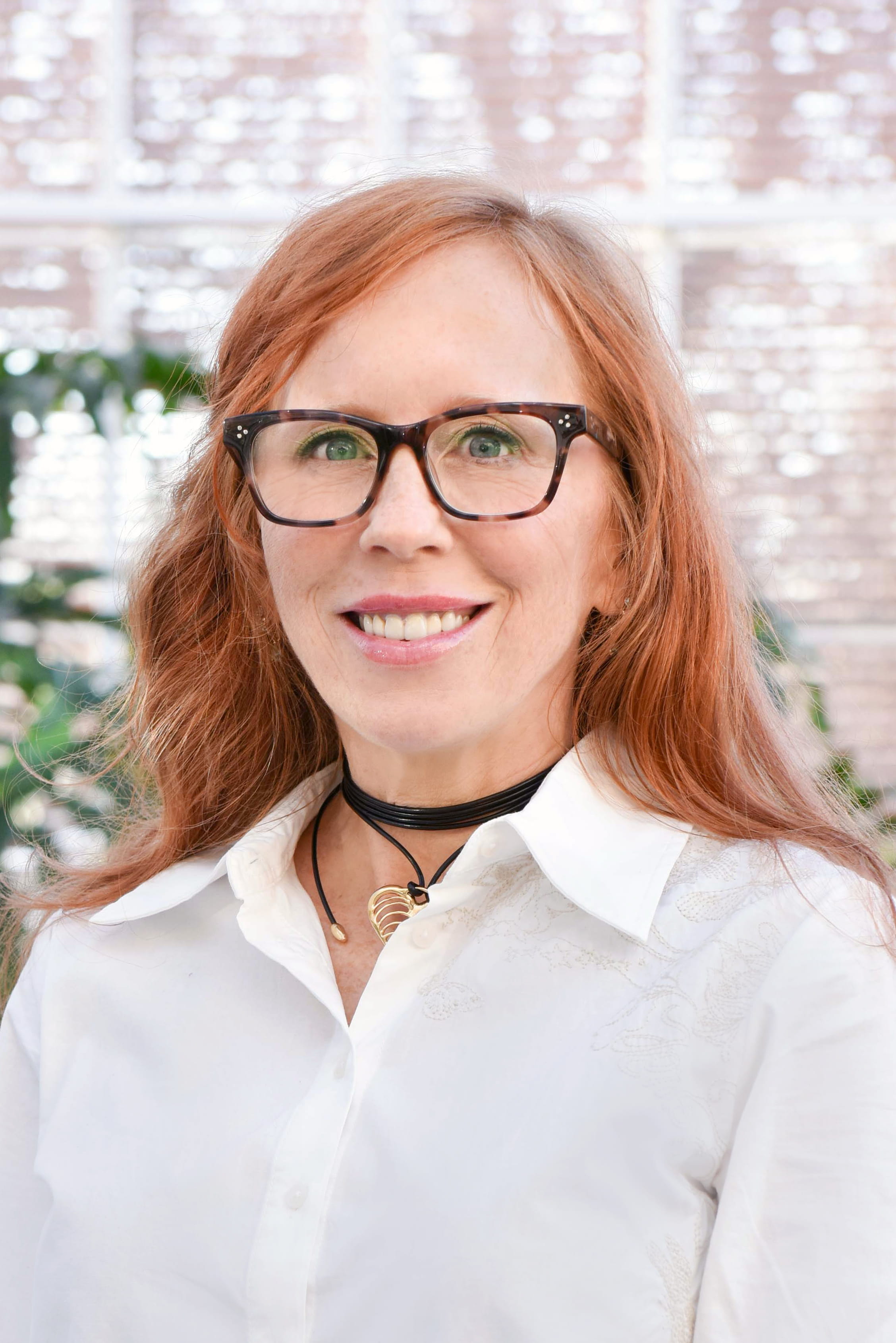
Dr. Paula MacDowell |
Innovative Teaching Award Dr. Paula MacDowell is an Assistant Professor in the Educational Technology and Design graduate program at the University of Saskatchewan. Her teaching integrates cutting-edge technologies – including artificial intelligence, virtual reality, and digital game design – to foster deep, authentic learning experiences. Dr. MacDowell’s courses are grounded in inclusive, student-centered practices. She offers flexible assessments and multiple modes of expression while fostering a strong sense of belonging. Her curriculum emphasizes real-world impact, with students co-authoring open-access textbooks and developing projects aligned with the United Nations Sustainable Development Goals. |